
Most residential pools in North Carolina need a permit before construction begins, especially if they…
What We Need From You Before Your Pool Installation in North Carolina
Know what property details, site information and project decisions you’ll need before installing a pool in North Carolina.
Before a North Carolina pool installation, Epic Swimming Pools will need accurate property details, your preferred pool type and location, and information about access, utilities, septic or well systems, HOA status, and site conditions. You will also need to make decisions about budget, timing, electrical work, fencing, and anything else planned around the pool. The exact checklist and who handles each item depend on your property, your product, your local authority, and the scope in your signed proposal.
Most homeowners start their pool installation checklist in North Carolina thinking about the fun part: pool style, size, and where it will sit in the yard. Those decisions matter, but they are only part of what actually gets a project moving. Before a crew can show up and start work, a contractor needs a clear picture of your property, your access, your utilities, and a handful of decisions only you can make.
Skipping this step is one of the most common reasons pool projects stall. A missed easement, an unmarked private line, or a placement that turns out to sit too close to a septic drain field can push a start date back by weeks. This guide walks through what Epic Swimming Pools may ask for before your installation, why each item matters, and which decisions typically fall to you, your contractor, or a local authority. The exact split should always be confirmed in your signed proposal.
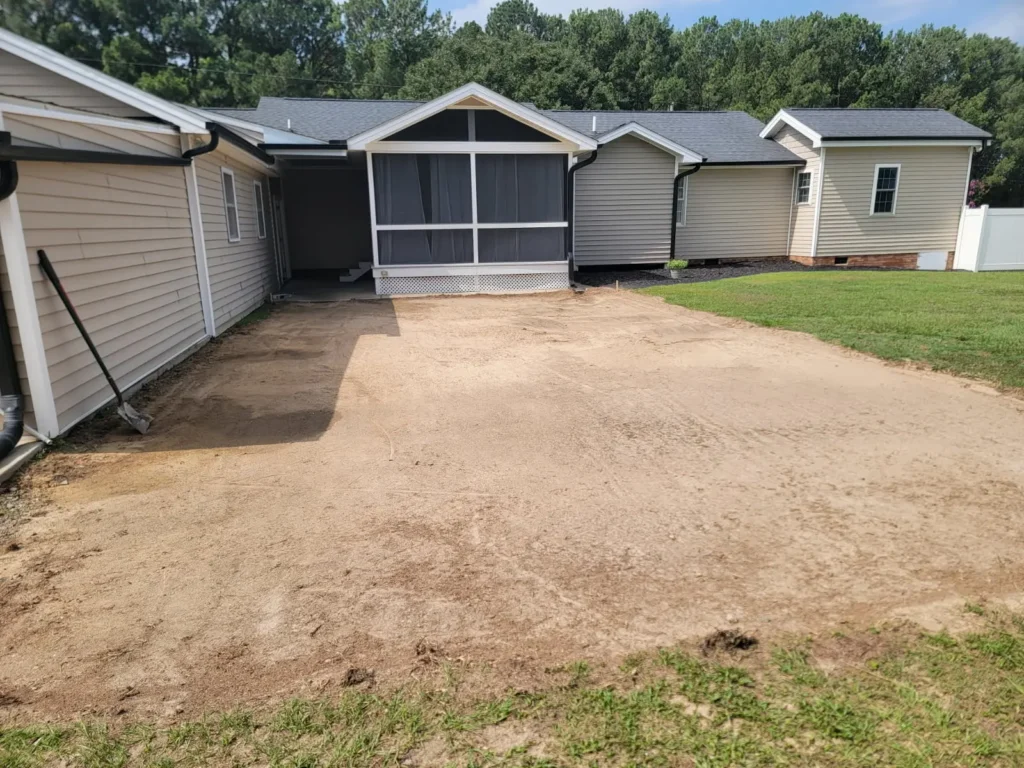
Table of Contents
What Property Information Should You Send Before a Pool Consultation?
A pool consultation starts with a handful of basics: your address, a rough sense of your backyard’s size, where you picture the pool, and photos of the space. These details let Epic Swimming Pools begin evaluating fit, access, and next steps before a site visit ever happens.
Your Address, Survey, and Proposed Pool Location
Your property address tells your contractor which city, county, and HOA rules may apply to your project. That single piece of information can shape the entire permitting path, since requirements in Raleigh look different from requirements in Charlotte or a rural county.
If you have a boundary survey or recorded plat, it can help identify property lines and known easements early. A survey does not replace formal review by your local building department or HOA, but it gives everyone a head start on spotting problems before they become expensive.
Backyard Measurements, Photos, and Pool Preferences
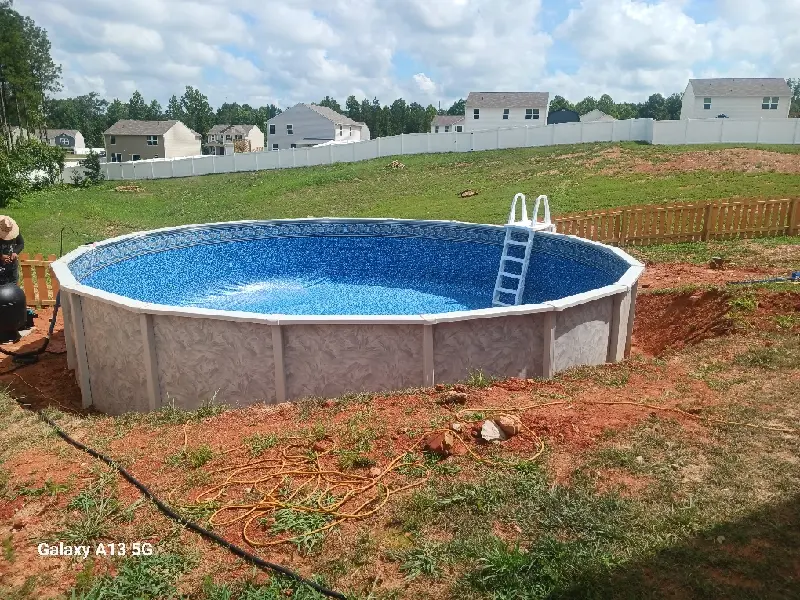
Approximate backyard dimensions, a few photos from different angles, and your preferred pool style all help match your yard to realistic options. This is also the point to start narrowing down between in-ground, semi-inground, and above-ground pools, or to browse current pool models for a sense of size and shape.
Measurements at this stage are meant to be approximate, not final design numbers. A site evaluation will confirm what actually fits once access, slope, and setbacks are factored in.
Expert Tip from Epic Swimming Pools: One of the first things we ask during a consultation is how you plan to use the pool, not just how big the yard is. A homeowner who wants lap swimming and one who wants a shallow splash space for young kids can end up looking at very different products, even on the same size lot. A rough sketch of where you picture the pool, paired with a few photos, usually tells us more at this early stage than exact measurements do.
How Much Access Does Pool Installation Equipment Need?
Delivery and installation equipment need a clear path from the street to the pool site, and that path matters as much as the open space around the final pool location. Gates, fences, HVAC units, sheds, and narrow side yards can all affect what is possible and how a project gets scheduled.
Measure the Narrowest Point in the Access Route
The widest part of your backyard is not the number that matters most. What matters is the narrowest point along the entire route, whether that is a side gate, a spot between the house and a fence, or a tight turn around a deck. Photograph and, where possible, measure this route rather than guessing from memory.
Required access widths vary by product and delivery method, so exact clearances should be confirmed with Epic Swimming Pools for the specific model you are considering.
Identify Overhead and Ground-Level Obstacles
Overhead branches, roof overhangs, and power lines can restrict how equipment moves through a yard, even when the ground-level path looks clear. Soft ground, slopes, retaining walls, and existing landscaping can also affect the route and may call for surface protection during delivery.
If your yard has a noticeable grade, it is worth reviewing early. Our guide on installing a pool on a sloped yard covers how slope affects site prep and which pool types tend to handle grade changes best.
What Site Conditions Can’t Be Seen From a Photo?
Some of the most important information for a pool project is underground or undocumented: utility lines, septic components, well locations, and recorded easements. These conditions can restrict where a pool is allowed to sit, and they are not always visible from a walkthrough or a set of photos.
Underground Utilities and Private Lines
North Carolina law places notice responsibility on the party responsible for excavation, who must provide or cause notice to be provided before digging begins. According to the NC 811 Excavation Manual, standard notice must be given at least three full working days before excavation, and member utilities then have three full working days, starting the next working day, to mark or respond. Weekends and designated holidays do not count toward that window.
This process is grounded in North Carolina law, which sets the minimum notice period and the responsibility of the excavating party. Confirm with Epic Swimming Pools who will create and manage the locate ticket for your project. Standard utility markings also do not typically identify privately owned lines, so tell your project team about any known private propane, irrigation, lighting, or septic lines before work starts.
Epic Swimming Pools Note: In the Triangle and Charlotte neighborhoods we work in, we often find homeowners assume a locate ticket covers everything buried in the yard. It only covers member utilities that participate in the NC 811 system. If you have a private line for a fence charger, landscape lighting, an irrigation system, or a septic component, let your project team know early so it can be marked or accounted for separately.
Septic Systems, Wells, Easements, Soil, and Drainage
If your property uses a septic system or private well, plan to share any available permits, as-built drawings, or known component locations before pool placement is finalized. The tank, drainfield, repair area, and well can all restrict where a pool and related structures are allowed to go, and your local environmental health authority should confirm requirements for your specific address.
Recorded easements can also restrict placement, even on a yard that looks fully usable. A boundary survey or recorded plat can help flag known easements, though local review may still be required to confirm what is buildable. Visible slope, low spots, and drainage paths are also worth pointing out early, since they can affect grading, retaining needs, and how water moves around the finished pool.
What Approvals and Safety Plans Should Be Confirmed Before Installation?
HOA approval and government permits are two separate reviews, and neither one guarantees the other. Confirming both early, along with your safety and barrier plan, helps avoid a scheduling surprise after a pool has already been ordered.
HOA, Zoning, Permits, and Inspections
Permit, zoning, setback, and inspection requirements depend on your project address, not on a single statewide rule. Raleigh, for example, requires building and electrical permits for pools and restricts installation over certain sewer and drainage easements. Charlotte pool projects can involve both city and county review, touching on drainage, urban forestry, and zoning. Those examples show why an address-specific check matters more than a generic checklist.
If your community has an HOA, review its declaration and architectural approval process before you get attached to a specific pool style or placement. Written HOA approval before any non-refundable commitment is a reasonable safeguard, since HOA sign-off does not replace a local permit, and a permit does not prove HOA compliance. For a full breakdown of North Carolina pool permit requirements, including fencing and barrier code minimums by category, see our guide on whether you need a permit for a pool in North Carolina.
Fence, Gate, Cover, Alarm, and Drain Planning
Barrier planning should start before your pool layout is finalized, not after installation. Pool Safely, the federal safety campaign backed by the Consumer Product Safety Commission, describes fences, covers, alarms, and compliant drain covers as layers of protection rather than a single childproof solution. Guidelines apply to in-ground, above-ground, and certain portable pools, and local rules may require stricter dimensions than the federal minimum.
Gates, doors, decking, and the access path around your pool can all affect where the final barrier goes, so it is worth thinking through fencing and cover plans at the same time you are deciding on pool placement. Safety equipment supports active supervision. It does not replace it.
What Should You Decide About Budget, Scope, and Schedule?
Beyond the pool itself, most projects include decisions about electrical work, decking, fencing, drainage, and cleanup that can add to the overall budget and timeline. Deciding on these early, alongside your preferred start date, keeps the project moving once permits and site work are underway.
Decide What’s Included Around the Pool
A realistic project budget should account for more than the pool package. Site preparation, electrical work, permits, fencing, decking, drainage, landscaping restoration, and delivery access can all add cost depending on your site and product. Ask Epic Swimming Pools which categories are included in your proposal and which ones may be handled by another trade, so nothing shows up as a surprise later.
Our pool cost guide breaks down typical upfront and ongoing costs across pool types, and our financing page covers current options if you are still working out a budget range. Treat any published number as a starting point. A specific quote depends on your model, site conditions, and scope.
Confirm Budget, Timing, Access, and Decision Makers
Site conditions, approvals, weather, product availability, and trade scheduling can all affect your project timeline, so a requested installation date is a planning preference rather than a guaranteed completion date. Our guide on the fastest way to install a swimming pool explains how pool type affects installation speed once permits and site prep are complete.
It also helps to sort out who needs to be home for delivery and inspections, how pets and gates will be managed on installation day, and whether more than one household decision maker needs to sign off on the final proposal.
From the Epic Swimming Pools Team: Pool and swim spa equipment typically needs a dedicated 240-volt electrical circuit. We recommend having a licensed electrician confirm your panel’s available capacity and the planned equipment location before you get attached to a specific spot in the yard. Moving an equipment pad or upgrading a panel after the fact tends to cost more than settling it during planning.
Your Pre-Installation Checklist for Epic Swimming Pools
Use this table as a starting point for your own project. Exactly who handles each item should be confirmed in your signed proposal, since it can vary by product, site, and scope.
| Category | Examples | Why It Matters |
|---|---|---|
| Send to Epic | Address, photos, survey if available, proposed location, rough dimensions | Supports early property and model review |
| Locate or verify | Utilities, private lines, septic and well components, easements | Supports safe, legal placement and excavation |
| Decide | Pool type, exact location, deck, fence, cover, budget range, timing | Defines the scope of your project |
| Confirm in writing | Permits, HOA approval, electrical scope, access plan, included and excluded work | Prevents scheduling and cost misunderstandings |
Pre-Installation Responsibility Matrix
| Item | Homeowner Input | Contractor Role | Local or Third-Party Role |
|---|---|---|---|
| HOA approval | Provide documents, submit if assigned | Supply project details if included in scope | HOA or architectural committee reviews |
| Permits | Sign owner forms, provide documents if required | Apply or coordinate if included in scope | City or county reviews and inspects |
| NC 811 locate | Share property and private-line information | Submit or manage ticket if assigned | Member utilities mark and respond |
| Septic or well | Disclose known records and locations | Coordinate around marked areas | Environmental health authority confirms requirements |
| Electrical | Share panel and service information | Define equipment requirements | Licensed electrician and inspector complete the work |
| Fence or barrier | Choose design, disclose existing barriers | Coordinate layout if included in scope | Fence contractor, HOA, and local authority weigh in |
Conclusion
Getting ready for a pool installation in North Carolina comes down to four things: sending Epic Swimming Pools accurate property information, locating or verifying what is underground and around your yard, making a handful of decisions about pool type and scope, and confirming responsibility for permits, HOA approval, and site work in writing. None of this has to happen all at once, and you do not need every answer before you reach out.
If you are ready to start the conversation, request pricing or call 919-443-6663 to talk with a pool specialist about your yard, your timeline, and what your specific project will need.
Frequently Asked Questions
What information should I send before my pool consultation?
Start with your property address, a few backyard photos, rough dimensions, your proposed pool location, and your general style preferences. A survey, budget range, and desired timing are helpful if you have them, but none of this needs to be exact at the consultation stage.
Who is responsible for calling NC 811 before a pool installation?
North Carolina law places notice responsibility on the party responsible for excavation, who must provide or cause notice to be provided before digging. That is not automatically the homeowner on every project. Confirm with Epic Swimming Pools who will create and manage the locate ticket for your specific installation.
Do I need HOA approval before ordering a pool?
If your community has an HOA, its declaration and architectural review process likely control pool style, placement, and sometimes fencing. Getting written approval before making a non-refundable commitment is a reasonable safeguard, since HOA approval and government permits are separate processes and neither one replaces the other.
Do all pools in North Carolina require a permit?
There is no single statewide answer. Permit requirements depend on your pool type, project scope, and address. Raleigh and Charlotte illustrate how requirements can vary between jurisdictions. Our pool permit guide covers the details by pool type and what to expect from the process.
What if my property has a septic system or private well?
Share any available permits, as-built drawings, or known locations for your tank, drainfield, repair area, or well before finalizing pool placement. Your local environmental health authority should confirm setback and clearance requirements for your specific address.
How much access does pool installation equipment need?
Required access depends on the pool model, delivery method, and equipment involved. Measure and photograph the narrowest point in your route from the street to the pool site, including gates, side yards, and overhead clearance, and confirm exact width requirements with Epic Swimming Pools for the product you are considering.
Disclaimer: Permit, HOA, utility, septic, and safety requirements vary by property, product, and local authority, and can change over time. The information in this article is general guidance, not legal advice, and should be confirmed with the appropriate local authority or with Epic Swimming Pools before you finalize any project decision.