
The right pool deck affects comfort, safety, drainage, long-term maintenance, and appearance. Compare concrete, pavers,…
Getting Your Pool Ready for Fall: A Guide for North Carolina Pool Owners
Get your pool ready for fall in North Carolina with tips for water care, equipment checks, and safety. Learn what to consider before keeping it open or winterizing for the season.
To prepare a North Carolina pool for fall, first decide whether it will stay open for regular swimming, remain open for occasional use, or be fully winterized. Then remove debris, test the water, check visible equipment and connections, review drainage and cover conditions, and prepare for local freeze risks. Follow the exact pool and equipment manuals before lowering the water, disconnecting equipment, changing operating settings, or adding winterizing products.
Fall pool care in North Carolina is not one universal checklist. What your pool needs next depends on the pool, its equipment, and how you plan to use it this season.
Before you touch the pump, the water level, or the cover, make the decision below first, since it shapes everything else in this guide.
Table of Contents
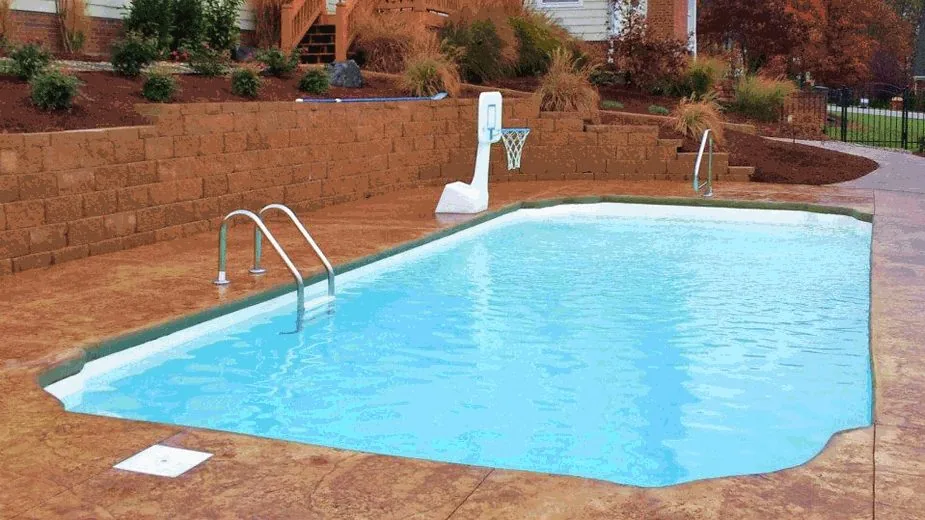
First decide whether your pool will stay open or close
North Carolina pool owners have three fall paths: stay open for regular swimming, stay open for occasional use, or fully winterize. The right path depends on your pool type, equipment, local weather, and how you plan to use the water, not a single rule that fits every property. Here is how the three compare.
| Path | Best fit | You still need to | Main risk | When to call a professional |
|---|---|---|---|---|
| Stay open for regular swimming | Frequent fall or winter use with equipment built for it | Test the water, clean regularly, run normal circulation, and watch the equipment | Assuming a heated system runs itself | Confirm cold-weather settings and an outage plan |
| Stay open for occasional use | Lower use, but the pool stays filled and connected | Keep testing water and running circulation on the schedule your manual specifies | Assuming less use means less maintenance | Ask which settings, if any, can safely change |
| Fully winterize | No planned use, or equipment that requires shutdown for freeze protection | Arrange a closing specific to your equipment, then keep checking the cover, water level, and access | Incomplete winterization | Recommended whenever plumbing, equipment, or warranty steps are unclear |
Keep swimming with normal operation
This path fits an owner who plans to swim through fall or winter with equipment built for that use. Circulation, filtration, water testing, and cover care continue on the schedule your equipment manual describes.
Stay open for occasional use
Using the pool less often does not mean automatically reducing circulation, shortening pump runtime, or changing equipment settings. Poor circulation can contribute to water-quality problems regardless of how often the pool is used. Any change to pump runtime, heater settings, or filtration should come from your equipment manual or a qualified professional, not from less swimming alone.
Fully winterize the pool
Full winterization takes the pool out of service for the season. What that involves depends on your pool’s structure, plumbing, pump, filter, heater, and sanitation system, so this guide will not walk through generic draining or line-blowing steps. Follow the exact instructions for your equipment, or work with a professional who can confirm the right process for your setup.
Complete a fall reset while the system is running normally
Before you decide anything else, reset your routine while the pool is still running normally: clear out debris, test the water, and check the visible condition of your equipment, drainage, and cover.
Pool Planning Tip: Before changing the water level or disconnecting any equipment, write down the model numbers for the pool, pump, filter, heater, skimmer, and sanitizer. Winterizing instructions can change with the equipment package, even within the same pool brand.
Remove debris and deep-clean the accessible surfaces
Leaves and other debris pick up as fall goes on and can collect in skimmer and pump baskets, settle on the floor and steps, and load filters and covers faster than in summer. Check baskets and the filter more often as leaf drop increases, and clean at a pace that matches what is collecting.
Test the water before making adjustments
Test the water before adding anything to it. CDC guidance on home pool and hot tub water treatment and testing notes that pool and spa water need different treatment, so use the standard that matches what you own. Follow the sanitizer label and equipment manual for any dose, confirm your pool’s volume first, and get a professional test if readings look off.
Inspect equipment, water level, drainage, and the cover
Walk the equipment area while the system still runs normally. Look for leaks, unusual pump noise, weak circulation, a dirty filter, heater faults, and damaged seals, hoses, fittings, or valves, and confirm drainage stays clear and the cover fits and fastens correctly. Diagnosis and repair, along with electrical, gas, heater, or plumbing changes, belongs to a qualified professional. This step is about noticing a problem early, not fixing it yourself.
Prepare for North Carolina’s changing fall weather
North Carolina does not close on one calendar date, since first freeze timing varies by location. The right time to act depends on your forecast and equipment, not a statewide schedule.
North Carolina Project Tip: North Carolina does not have one pool-closing weekend. Check the forecast for your property, identify your area’s first local freeze risk, and compare it against the instructions for your pump, filter, heater, plumbing, and cover.
Plan around the local forecast, not a statewide closing date
The North Carolina State Climate Office’s Freeze Date Explorer tracks first fall freeze dates by weather station, using the 1991 to 2020 normals, and shows timing shifting across the state, from the mountains to the Triangle to the coast. That history does not predict this year’s freeze, but it explains why one closing date does not fit every North Carolina pool. Check your local forecast as fall goes on, and match your plan to your equipment instructions.
Include late-season wind, rain, and outages in the plan
Fall in North Carolina overlaps the Atlantic hurricane season, which runs through November 30. That does not mean every property will see a storm, but it is reason enough to keep drainage clear and secure loose pool accessories. If a storm causes an outage, check your equipment and water once conditions are safe, not during the storm itself.
Adjust the checklist to the exact pool and equipment
The pool type you own changes what a fall reset actually looks like. A Sun Pools fiberglass in-ground pool, a Dynasty Aquora plunge pool, a Doughboy above-ground pool, and a Wellis Beach Club system are built differently, which is why generic fall checklists fall apart.
| Pool or system | Fall question to answer | Source of truth | Safe guidance | Do not generalize |
|---|---|---|---|---|
| Sun Pools fiberglass / other in-ground or semi-inground pool | What is the exact structure, plumbing, and equipment? | The specific pump, filter, heater, sanitation system, and installer instructions | Base your plan on your equipment, not on burial depth | Treating “semi-inground” as its own maintenance system |
| Dynasty Aquora plunge pool | Which Heated or All Season model and equipment package do I own? | The matching Aquora owner’s manual and qualified support | Confirm continued-use, freeze, outage, and shutdown requirements | Assuming “All Season” eliminates freeze risk or maintenance |
| Wellis Beach Club or swim spa-style system | Will it keep running or go out of service for winter? | The exact model-year Wellis owner manual and authorized support | Follow the manual if running; arrange qualified winterization if unused | “No winterization needed” or generic antifreeze advice |
Sun Pools fiberglass in-ground pools
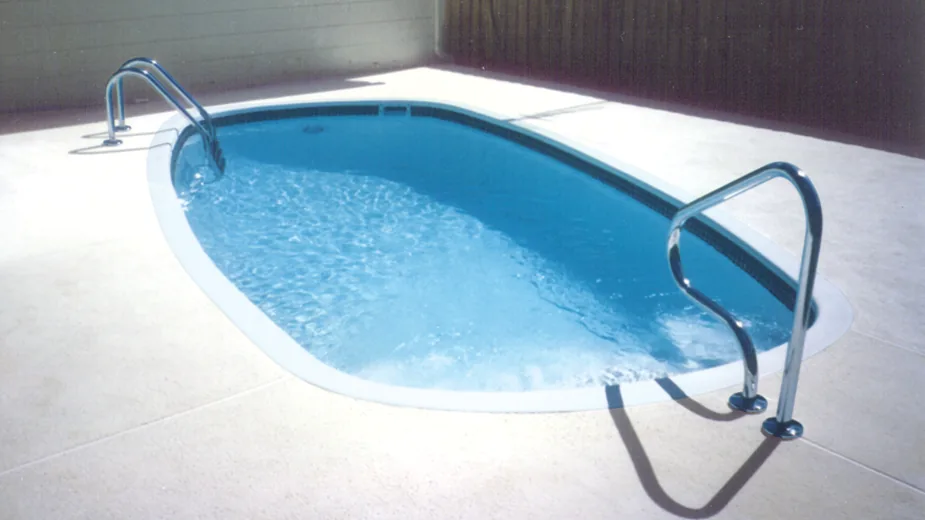
For owners of Sun Pools fiberglass in-ground pools, start fall care with debris removal, water testing, and checks of the filter, circulation, cover, and surrounding drainage. A fiberglass shell still needs consistent water care, and its material alone does not determine whether the pool can stay open through cold weather.
Build your closing or continued-use plan around the installed pump, filter, heater, sanitation system, plumbing, and cover. Use the Sun Pools maintenance resources together with your equipment manuals and installer guidance. Before lowering the water or shutting equipment down, have a qualified pool professional confirm the correct procedure for your installation.
Semi-inground describes how a pool is installed, not a separate care category. What matters is the pool’s structure, its plumbing layout, and the exact pump, filter, heater, and sanitation system attached to it. Confirm those details, then follow the instructions written for that equipment. Epic Swimming Pools’ in-ground and semi-inground pages describe the current product categories, though the fall plan still comes down to equipment, not installation style.
Dynasty Aquora plunge pools
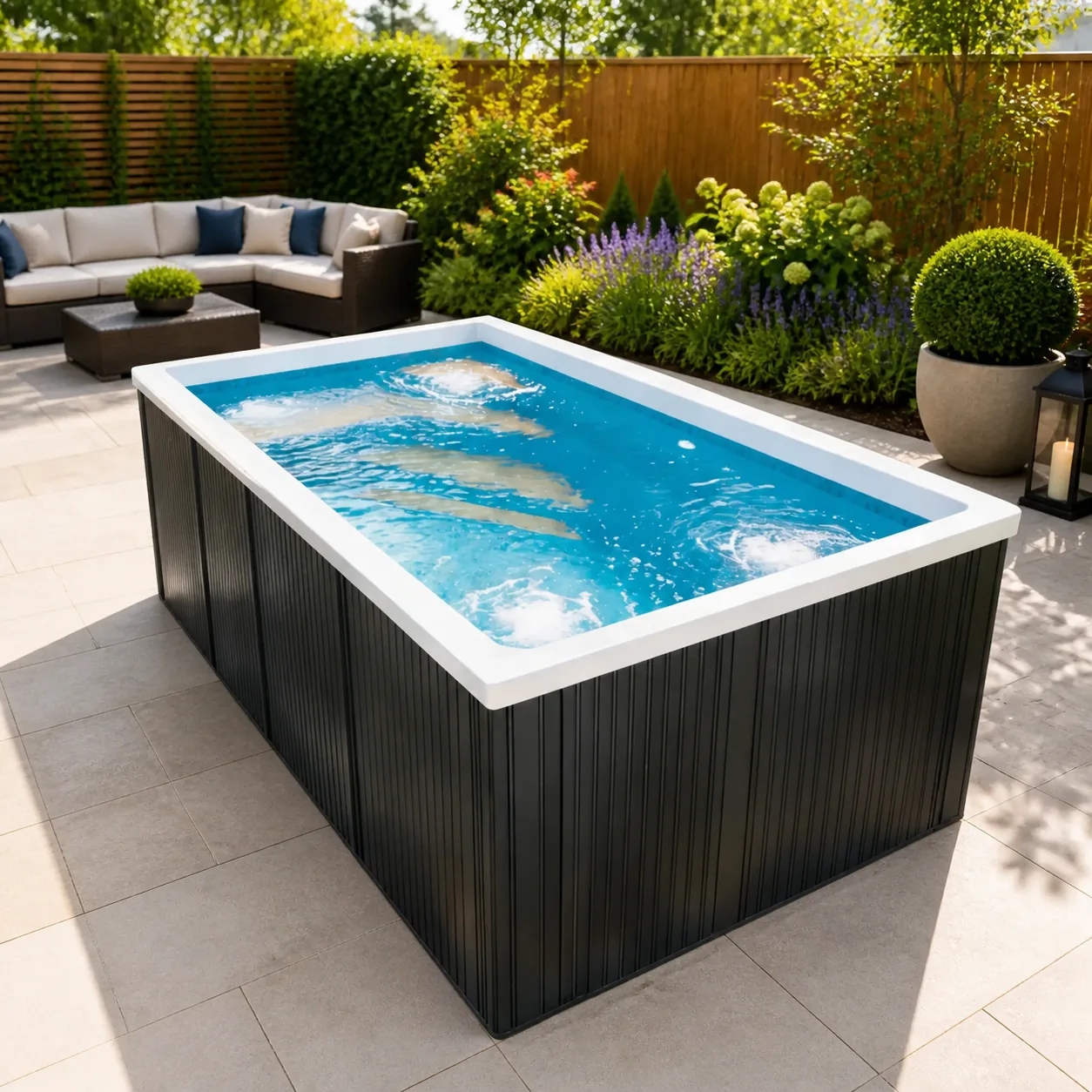
Epic’s Aquora above-ground plunge pools include the Aquora 15 and Aquora 19 in Heated and All Season versions. Identify your model and equipment package before choosing a fall operating plan. Heating or cooling features do not replace regular water testing, filtration, debris removal, and cover care.
If you plan to keep using the pool, confirm the cold-weather operating instructions and what to do during a power outage. If you will stop using it, arrange a model-specific shutdown with qualified support before freezing conditions arrive. Read the Aquora owner’s manual in Dynasty’s Owners Hub before changing settings, draining the pool, or disconnecting equipment. Do not assume the All Season name means an unattended or unpowered pool is protected from freezing.
Wellis Beach Club and swim spa-style systems
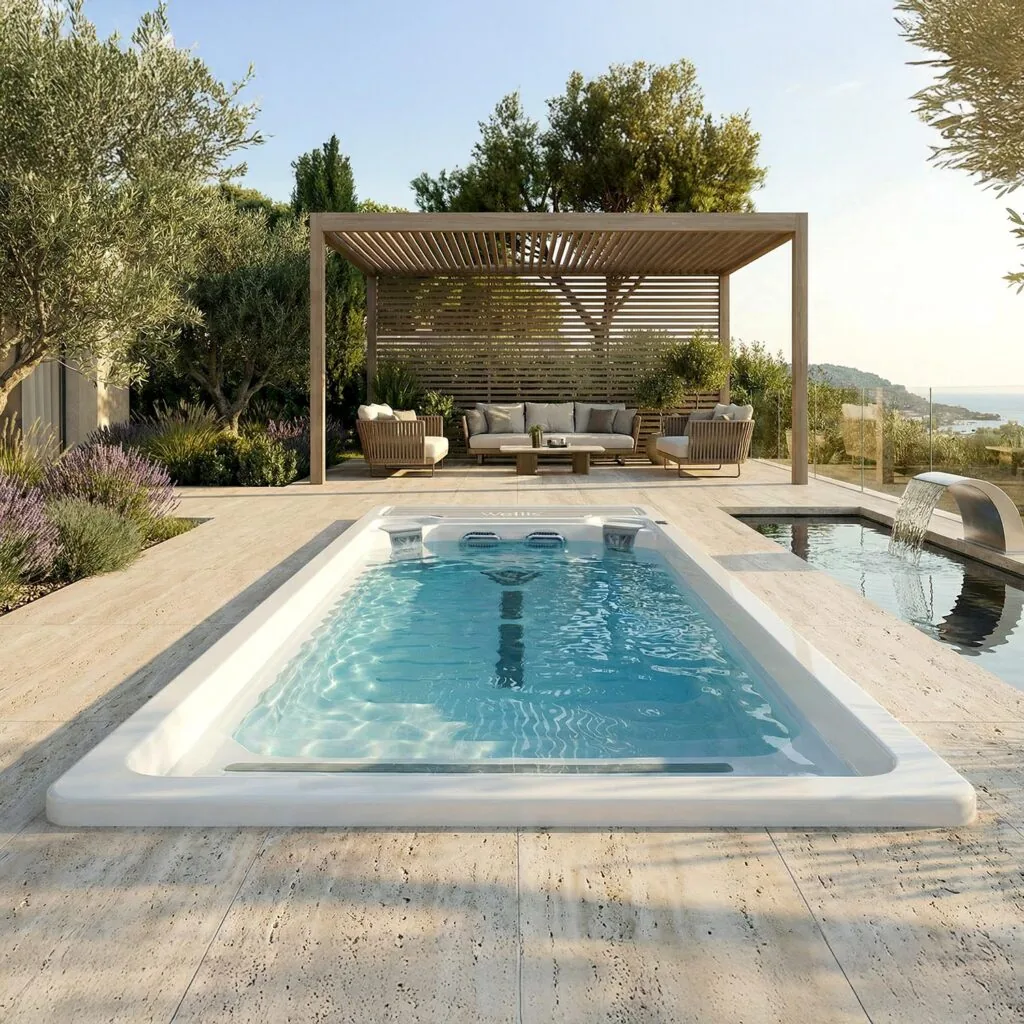
A Wellis Beach Club or similar swim spa-style system includes integrated heating and filtration, which can support continued use into cooler weather when the manufacturer’s instructions and your operating conditions allow it. Staying open does not mean the system runs itself: water testing, filtration, cover use, and equipment monitoring still apply.
If you plan to take the system out of service for winter, the Wellis swim spa owner manual directs owners to arrange professional winterization and warns that incomplete draining can leave water that freezes and damages pipes and motors. Confirm your exact model and manual year first, since instructions change between models and production years.
Keep the pool secure and know when to get help
Pool safety measures do not end when swimming season slows down. Keep barriers, gates, alarms, and other layers of protection active, confirm what kind of cover you actually have, and store any remaining pool chemicals safely.
Keep barriers and other layers of protection active
An unused or covered pool can still be reached. CPSC guidance recommends active supervision plus barriers, covers, alarms, and self-closing, self-latching gates, layers that matter as much in October as in July.
Safety Reminder: A winter or thermal cover is not automatically a safety cover. Keep gates, barriers, alarms, and other layers of protection in place, and follow the cover manufacturer’s installation and fastening instructions.
A debris cover, a thermal cover, and a rated safety cover serve different purposes. Do not assume that a cover can limit access or support weight unless its manufacturer documentation identifies it as a safety cover and provides the applicable installation and use requirements. Check the condition of straps, anchors, locks, panels, and fabric before relying on any cover beyond its intended job.
Store chemicals safely and route service correctly
Remaining pool chemicals still need proper storage as you wind down for the season. CDC guidance recommends keeping chemicals dry, separated, secured, and in original labeled containers, away from heat and ignition sources, following your product labels and any local rules.
If you need water testing, chemical support, or seasonal pool closing, that work is handled by Epic Water Care, a separate brand from Epic Swimming Pools. Epic Water Care’s Raleigh service page currently lists fall and winter pool closing along with water testing and equipment checks for the Raleigh area. If you live outside that area, check directly with Epic Water Care to confirm what is currently available where you are.
Getting your fall plan in place
Your plan starts with the path you chose above. From there, the details come down to your pool’s structure, its equipment, and the manual for what you own.
None of that has to happen all at once. Start with the fall reset while your system still runs normally, then work through weather planning and pool-specific checks as the season goes on. Epic Water Care can help with water testing and Raleigh-area seasonal closing support, and if you are comparing pool types for a future purchase, you can compare current pool models on the Epic Swimming Pools site.
Frequently Asked Questions
When should I prepare my pool for fall in North Carolina?
Start before regular use drops off and before your area’s first freeze risk arrives, while equipment is still easy to inspect. Use your local forecast and equipment manual to set the timing, not a statewide date. The NC State Climate Office shows that first-freeze timing varies across the state.
Do swimming pools need to be winterized in North Carolina?
Some pools do, and others can keep running with the right cold-weather plan. It depends on your pool type, plumbing, equipment, location, and manufacturer instructions, not one statewide answer.
Can I leave my pool open all winter in North Carolina?
It may be possible for some systems, depending on the equipment and manufacturer instructions. Staying open does not mean the pool runs itself: water testing, circulation, cover care, debris removal, and a freeze or outage plan still apply.
Should I drain my pool before winter?
Do not lower or drain your pool based on a general article. The correct water level and dewatering procedure depend on your pool’s structure, plumbing, skimmer, equipment, cover, and the exact manufacturer manual for what you own. Doughboy and Wellis systems, for example, follow different procedures, so confirm the right approach for your setup before changing the water level.
How do I manage leaves in my pool during fall?
Remove debris regularly, before it sinks or blocks baskets and circulation, and check your cover and equipment area after heavy leaf drop, wind, or rain. How often depends on the trees around your property and how much debris is actually collecting, so there is no single schedule that fits every yard.
Does a Wellis Beach Club need to be winterized?
If it stays in use, follow the exact model manual for operation, filtration, water care, cover use, and cold-weather settings. If you plan to take it out of service, the Wellis swim spa owner manual calls for qualified winterization to remove water from the plumbing and equipment. Confirm your exact model and manual year first.
Is a winter pool cover enough to keep the pool safe?
No single cover makes a pool childproof. Confirm whether your cover is rated as a safety cover, and keep barriers, gates, alarms, and active supervision in place regardless of the cover you use. CPSC guidance outlines these layers of protection in more detail.