Semi-Inground vs. Inground Pool Cost in North Carolina: What’s the Real Price Difference?
Compare semi-inground and inground pool costs in North Carolina, including installation, site prep, materials, and the key price factors that affect your final backyard project.
Semi-inground pools in North Carolina typically cost between $20,000 and $40,000 fully installed. Traditional inground pools generally run $65,000 to $120,000 or more. The price gap comes down to excavation depth, construction complexity, and labor time. Which one makes more sense depends on your yard, your budget, and how you want to use the water. This guide breaks it down clearly so you can compare before committing.
Table of Contents
Getting your first traditional inground pool quote is often a reality check. Many North Carolina homeowners come in with a clear idea of what they want, see the number, and start wondering if there is another path.
There often is. Semi-inground pools sit in a middle ground that is worth understanding before you decide either way. They cost significantly less than a traditional inground build, install faster, and can work well in situations where full excavation is difficult or impractical.
This guide covers what semi-inground and inground pools actually cost in North Carolina, explains why the price gap exists, and helps you figure out which option fits your yard and budget. The goal is not to push you toward one or the other. It is to give you the information you need to have a confident conversation about your options.
What Does a Semi-Inground Pool Typically Cost in North Carolina?
Semi-inground pools in North Carolina are typically installed for between $20,000 and $40,000, depending on pool size, materials, site conditions, electrical work, and any decking or landscaping added around the pool. This range covers most standard residential projects, though your final cost will depend on the specifics of your yard.
That price range reflects the mid-tier position these pools occupy. They cost more than a basic above-ground pool, which can run between $3,000 and $15,000, but considerably less than a traditional inground build. For many homeowners, that gap of $30,000 to $80,000 or more is what makes the decision straightforward.
The base pool unit is only part of the budget. You will also need to account for site preparation, professional installation labor, electrical hookup, and finishing work like decking, stairs, or landscaping. Permit fees and fencing requirements may also apply depending on your county and HOA rules.
Expert Tip from Epic Swimming Pools: One cost that catches homeowners off guard is electrical coordination. Any pool installation, including semi-inground models, requires a licensed electrician. Our team walks buyers through what to expect before installation day so there are no surprises. Electrical work can add $1,500 to $3,500 to your project depending on your home’s existing panel capacity and how far the pool sits from the electrical source.
What Does a Fully Inground Pool Cost in North Carolina?
Traditional inground pools in North Carolina generally cost between $65,000 and $120,000 for most residential projects, with larger builds, custom shapes, and premium features pushing totals well beyond that range.
According to Angi’s 2026 pool cost guide, the wide variation in inground pricing reflects real differences in construction type, pool size, materials, and regional labor costs. Fiberglass pools tend to come in at the lower end of the inground range. Concrete and gunite builds typically cost more and take longer to complete.
In North Carolina specifically, the ground itself can affect your total. Clay-heavy or rocky soil, which is common across the Triangle and Piedmont areas, can add to excavation costs. Lots with limited access for heavy equipment create additional complications. Permit timelines in Wake County, Mecklenburg County, and surrounding municipalities can also stretch your overall project schedule.
Construction on a traditional inground pool often spans several weeks to months. That means your backyard becomes a work zone for longer than many homeowners initially expect.
Why Is There Such a Large Price Gap Between the Two?
The cost difference between semi-inground and inground pools is not just about the pool itself. It comes down to what the ground requires.
A fully inground pool means full excavation. That involves heavy equipment, significant labor, and often the need to manage soil removal, drainage, and retaining walls if your yard has any slope. In North Carolina, where clay soil is common and many suburban lots have natural grade changes, excavation work can add cost quickly. According to HomeIndepth’s 2026 inground pool cost guide, excavation is one of the most significant variable costs in any inground pool project.
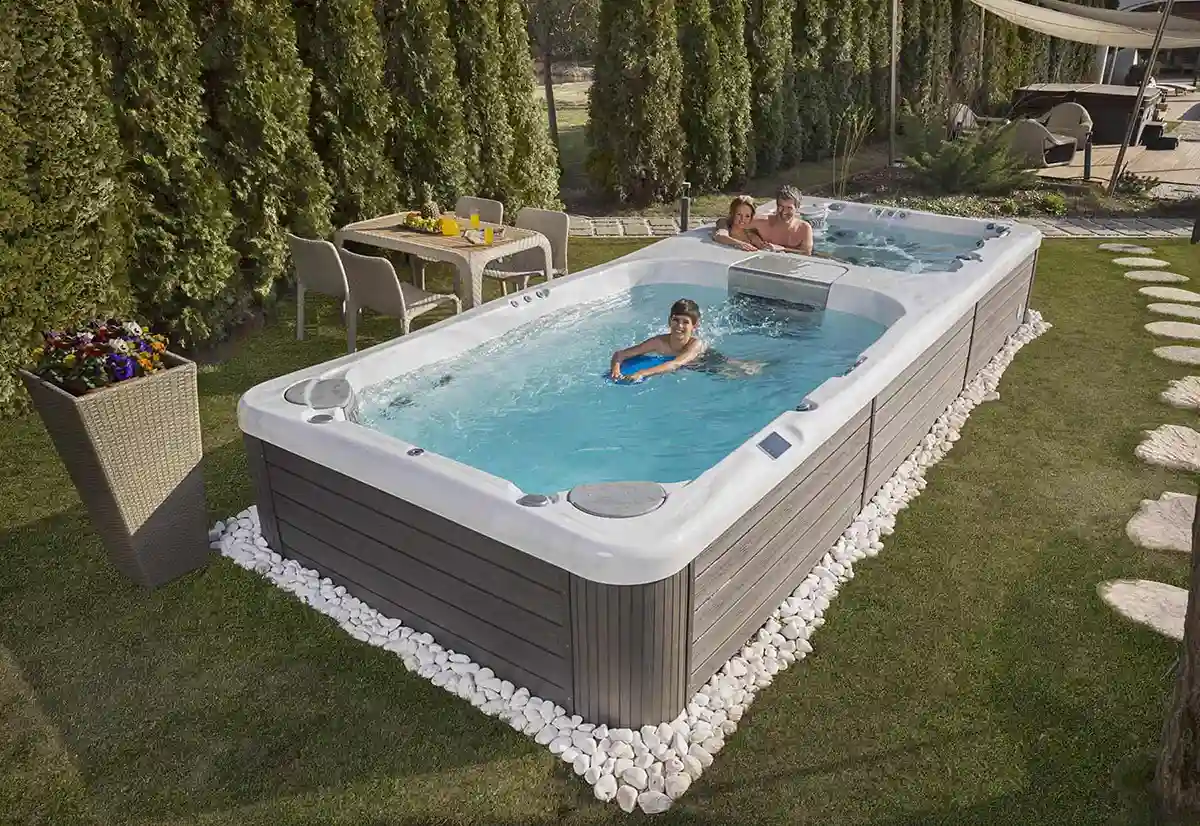
A semi-inground pool is installed partially below grade. The excavation is shallower and simpler, which reduces labor time, equipment needs, and project complexity. Rather than being built entirely underground, the pool uses its own reinforced walls to manage the portion that sits above the soil line. That structural approach is a large part of why semi-inground installations can often be completed in one to two days instead of weeks.
Permitting also plays a role. Traditional inground pools typically require permits covering setbacks, drainage, fencing, and electrical. Semi-inground installations may face similar requirements in many NC counties, but the shorter project scope is generally easier to manage for both homeowners and contractors.
How Do Long-Term Ownership Costs Compare?
Annual maintenance costs for traditional inground pools in North Carolina typically range from $1,200 to $4,000 per year, covering chemicals, cleaning, water, and routine equipment service. When you add energy costs, periodic repairs, and equipment replacement over time, the total annual investment climbs further.
Guild Mortgage’s pool maintenance overview puts average in-season maintenance at roughly $180 per month. For NC homeowners running heated pools across a longer season, those costs run higher.
Semi-inground pools can carry lower ongoing costs in some cases because of smaller water volume and simpler construction. Less water means fewer chemicals and less energy to heat. Liner access is typically easier too, which can reduce the cost of replacements and repairs over time.
Vinyl liner replacement is a cost to plan for with both pool types. Liners typically need replacement every seven to ten years. On an average inground pool, liner replacement can cost $3,000 to $6,000 depending on pool size. Semi-inground replacements tend to be less involved and often fall on the lower end of that range.
Epic Swimming Pools Note: Many North Carolina yards have natural grade changes that actually work in favor of a semi-inground design. Our team has seen plenty of sloped lots across the Raleigh and Charlotte areas where a semi-inground pool sits naturally into the slope. That often reduces both excavation scope and the cost of any retaining wall work. It is one of the clearest scenarios where the price advantage of semi-inground really shows up.
What Other Costs Affect the Final Price?
Beyond the pool itself, several variables move the final number in either direction. Here is a practical side-by-side of where those costs typically appear.
Cost Factor
Semi-Inground Pool
Traditional Inground Pool
Excavation
Partial, shorter timeline
Full depth, heavy equipment
Installation time
Typically 1 to 2 days
Weeks to months
Electrical work
$1,500 to $3,500 (varies)
$1,500 to $3,500 or more
Permits and fencing
Required in most NC counties
Required in most NC counties
Liner replacement
Every 7 to 10 years, lower average cost
Every 7 to 10 years, higher average cost
Retaining wall (sloped yards)
Often avoidable or minimal
Can add significant cost
Annual maintenance
Smaller water volume can lower costs
$1,200 to $4,000 per year typical range
Additional costs that apply to both options include permit fees ($200 to $800 in most NC counties), electrical work ($1,500 to $3,500), required fencing ($1,500 to $5,000 where applicable), and landscaping or site restoration after installation.
Which Pool Type Fits Your Situation?
The right answer depends more on your yard and how you plan to use the pool than on price alone.
A semi-inground pool tends to be the stronger fit when your yard has natural slope, your budget is closer to $20,000 to $40,000, or you want a shorter installation window with less backyard disruption. These pools also work well when HOA setback rules, limited equipment access, or a smaller lot make a full excavation project complicated. Our semi-inground swimming pools page covers the options available for North Carolina homeowners in more detail.
A traditional inground pool makes more sense if you want maximum customization, a larger swimming footprint, and are comfortable with a longer timeline and a higher upfront budget. Our in-ground pool page covers what modern in-ground options look like today, including compact systems that differ significantly from traditional concrete builds.
One thing worth knowing: modern in-ground pool systems have changed what the inground category looks like. The Wellis Beach Club Deluxe is an in-ground swimming pool that installs at ground level, includes built-in heating and swim jets, and is priced considerably lower than a traditional concrete build. For homeowners who want the in-ground experience without the full construction scope of a gunite or fiberglass project, that kind of compact system changes the comparison meaningfully.
From the Epic Swimming Pools Team: One product worth a closer look when comparing semi-inground and inground options is the Palm Shore pool. It is a Doughboy pool built to work as either an above-ground or semi-inground installation, which gives homeowners real flexibility depending on yard grade and how much of the pool they want sitting above the surface. Having that option on the table before committing to either installation approach can open up some useful choices.
Conclusion
The price difference between semi-inground and inground pools in North Carolina is real and significant. Semi-inground pools typically cost between $20,000 and $40,000 fully installed. Traditional inground pools generally start around $65,000 and go up from there. That gap comes from excavation depth, construction complexity, and what your specific yard requires.
Neither option is the right fit for every situation. The better pool is the one that matches your space, your budget, and the way your household will actually use the water.
If you are comparing your options and want to understand what makes sense for your North Carolina backyard, request swimming pool pricing and our team can walk you through the choices before you commit to anything.
Frequently Asked Questions
Is a semi-inground pool cheaper than a traditional inground pool?
Yes, in most cases. Semi-inground pools typically cost between $20,000 and $40,000 fully installed in North Carolina. Traditional inground pools generally run from $65,000 to $120,000 or more. The difference comes from excavation depth, construction complexity, and labor time. Your final cost depends on your yard, site conditions, and any additional work like decking, fencing, or electrical.
How much does it cost to install a semi-inground pool in North Carolina?
Most North Carolina homeowners pay between $20,000 and $40,000 for a semi-inground pool fully installed, including site preparation, professional installation, and basic electrical. Factors that push the number up include yard slope, limited equipment access, deck additions, and permit fees. Confirm current pricing with a pool specialist before finalizing your budget, since costs vary by project and site.
What hidden costs should I expect with a traditional inground pool?
Beyond the base installation price, traditional inground pools in NC often carry additional costs for permits ($200 to $800), required fencing ($1,500 to $5,000), electrical work ($1,500 to $3,500), landscaping repair after construction, and ongoing annual maintenance ranging from $1,200 to $4,000 per year. Liner or surface resurfacing every seven to ten years is another long-term cost to plan for. NC clay or rocky soil can also raise excavation costs beyond initial estimates.
Can a semi-inground pool work on a sloped yard in North Carolina?
Yes, and sloped yards are actually one of the scenarios where semi-inground pools tend to work especially well. Because part of the pool sits above grade, the design can work with the natural contour of a sloped lot rather than requiring the retaining wall that a fully inground installation would need on similar terrain. This is often one of the clearest situations where a semi-inground pool is both more practical and more affordable. Site conditions vary, so a proper evaluation is always the right first step.
Is a semi-inground pool a good long-term investment compared to an inground pool?
A semi-inground pool can be a strong long-term investment, particularly for homeowners who want a pool experience at a lower upfront cost and with simpler ongoing maintenance. Annual costs tend to be lower due to smaller water volume and easier liner access. Traditional inground pools can have a stronger effect on appraised home value in some markets, but both options add real use and enjoyment to a North Carolina backyard. The better investment is whichever option you will actually use consistently and can maintain without it becoming a burden.