
Pool maintenance requires regular cleaning, water balancing, and filter care, often taking hours each week…
Does a Swimming Pool Add Value to a Home? What NC Homeowners Need to Know in 2026
See how much value a swimming pool can add in NC, which pool types perform best, and what impacts resale.
A swimming pool can boost your NC home’s value by 1–7%, but the real return depends on pool type, condition, and where you live. In North Carolina’s warm climate, the math works in your favor, but if you want both lifestyle improvement and solid resale appeal, choosing the right pool matters more than having one.
Here’s what the data actually says, and what it means if you’re thinking about adding a pool in North Carolina.
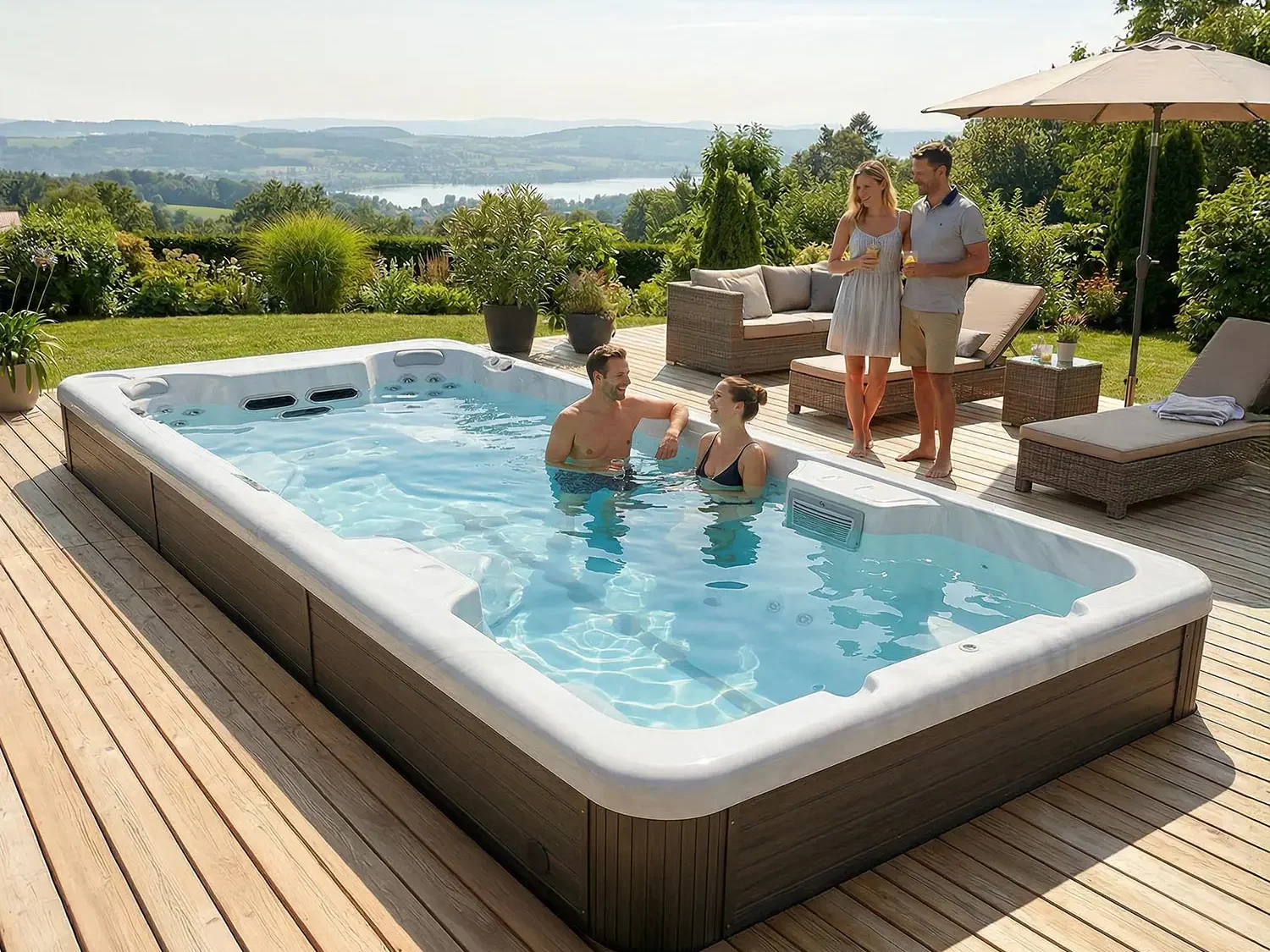
Table of Contents
How Much Value Does a Swimming Pool Actually Add?
In Raleigh and the broader Research Triangle, where summers stretch well into October and mild winters make year-round outdoor living realistic, the question “does a swimming pool add value to a home?” has a more positive answer than it does in, say, Minnesota. Local real estate listings show over 2,400 pool homes currently for sale in Raleigh, with pool properties in Cary carrying a median listing price of $736,974, well above the city average. That tells you something about how buyers here perceive a well-done backyard.
The figures here vary widely by city. Redfin’s market analysis found that pools in Los Angeles add roughly $95,000 to a property’s value, while the same feature adds around $11,591 in Phoenix. Fort Myers, Florida sees a 20.4% pool premium. Zillow’s research puts the average national figure closer to 1.5%, while Redfin and Curbio data suggest a higher return of around 7% for well-maintained properties.
With the average in-ground pool costing around $65,000 and a typical 7% value boost adding roughly $30,000 to a median-priced home, a pool rarely pays for itself in pure financial terms. But that’s not why most people install one. The lifestyle value, including year-round use, family entertainment, fitness, and the simple enjoyment of your own backyard, is where the real return lives. And in the Raleigh area’s competitive real estate market, a pool absolutely helps your home stand out and sell faster when priced right.
Does Pool Type Change the Resale Value?
Less than pool builders tend to suggest. The National Association of Realtors puts cost recovery on an in-ground pool at 56% in its 2023 Remodeling Impact Report, the lowest of any outdoor project it surveyed, and it does not break that figure out by pool type. The same report gives a pool the highest Joy Score of any project, a 10. Owners love them and buyers do not pay full price for them. Fiberglass tends to hold its value better than vinyl because it costs less to keep up and never needs a liner replaced, but nobody has published solid resale data split by pool type.
| Pool Type | Resale Appeal | Liner Replacement | Weekly Maintenance | 10-Year Maintenance Cost |
| Fiberglass in-ground | Strongest | Never | ~30 minutes | $3,750–$6,500 |
| Concrete/gunite | Strong, resurfacing due every 10 to 15 years | Not applicable | 6–8 hours | $15,000–$27,000 |
| Vinyl liner | Weakest of the in-ground options | Every 5 to 9 years | Moderate | ~$7,000 + liner replacement |
| Above-ground | Little to none | Varies by model | Low | Low |
Why does fiberglass perform better? Buyers factor in future maintenance costs. A fiberglass pool needs roughly 30 minutes of weekly maintenance versus hours for a concrete pool, and annual maintenance runs about $400 compared to $15,000–$27,000 over a 10-year period for concrete. That lower ownership burden makes fiberglass more attractive to buyers who don’t want to inherit a high-maintenance backyard project.
What Makes a Pool Add Value vs. Hurt It?
Not every pool is an asset. The same water feature that adds $30,000 to one home can shave value off another. Here are some of the factors that affect how a pool impacts value:
Maintenance and Upkeep
The National Association of Realtors notes that both fiberglass and concrete pools can improve resale value, but only when they’re properly maintained. A pool in poor condition signals deferred maintenance to buyers, and they’ll either walk away or negotiate hard on price. The condition of your pool matters as much as having one.
Neighborhood Fit
If most comparable homes in your area have pools, not having one puts you at a disadvantage. In upscale North Raleigh neighborhoods, Cary, and Chapel Hill, buyers at higher price points increasingly expect a backyard amenity. If you’re the only house without one, that gap shows in offers.
Year-round Usability
North Carolina’s climate lets you swim from April through October and, with the right system, well into winter. Pools designed for year-round use, such as fiberglass shells paired with efficient heating, are worth more here than in colder climates because the usable season is longer.
Integration with the Overall Yard
A pool that looks like an afterthought detracts from value. One that’s thoughtfully integrated with decking, landscaping, and outdoor living space adds to it.
Above-ground vs. In-ground
Most appraisers won’t include above-ground pools in a formal home valuation unless they’re permanently attached to the property. In-ground and semi-in-ground installations are the ones that move the needle on appraised value.
Do Swim Spas Add Value to a Home?
A swim spa adds value primarily through lifestyle appeal and buyer differentiation, rather than through a direct bump in appraised value. In the right market, though, it’s a compelling selling point.
Swim spas don’t act the same way in appraisals as in-ground pools do, but our own research at Epic Hot Tubs confirms some similarities. A poorly maintained or non-functioning spa will hurt your value, while a high-quality, well-integrated unit makes your home more desirable and can lead to a faster sale. The financial return is real; it’s just indirect.
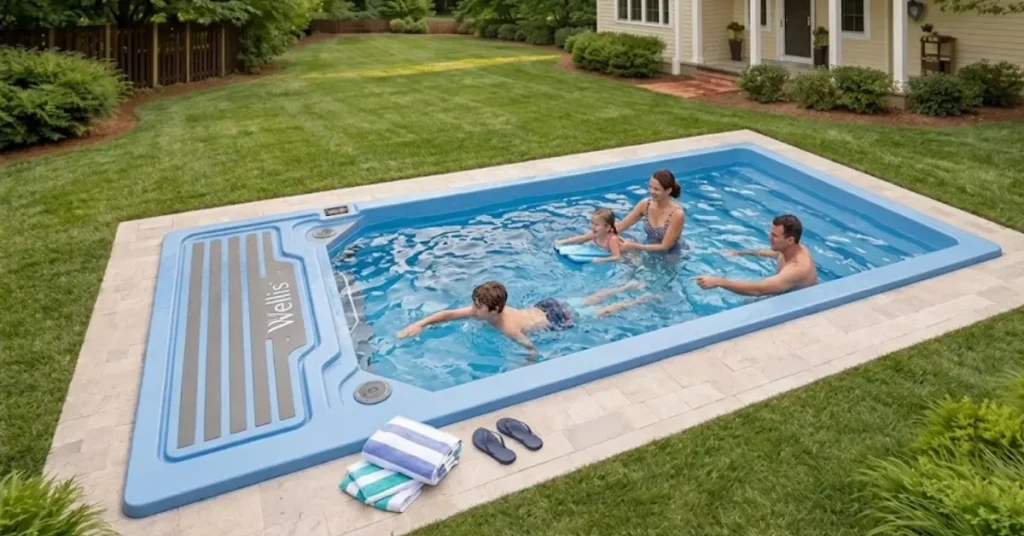
What makes swim spas genuinely appealing to buyers is their dual functionality. A product like the Wellis Beach Club Deluxe combines a serious swimming zone with a spa relaxation area in a 19’8″ footprint, giving buyers pool functionality, hydrotherapy, and fitness capability without the excavation, maintenance burden, or space requirement of a traditional in-ground pool. For a buyer comparing homes, a backyard with a high-end swim spa is a distinctive and memorable feature.
In markets where outdoor living is valued, like the Research Triangle’s higher-income suburbs, that differentiation translates into buyer interest and faster offers, even if the appraiser won’t add a specific line item for it.
Is a Pool Worth It in North Carolina Specifically?
North Carolina’s climate makes it a great location for pool investment: long enough swimming seasons to justify the cost without the harsh winters that shorten usable life in northern states.
Triangle-area real estate data shows that buyers here are willing to pay a premium for private pool access, particularly in higher-end neighborhoods where outdoor entertaining is a major part of the lifestyle. Raleigh’s mild winters mean you can reasonably use a heated pool or swim spa well beyond summer, which extends the perceived value for buyers.
If you’re a Raleigh homeowner considering a pool as both a lifestyle investment and a property improvement, fiberglass in-ground is the strongest choice for resale. It installs fast, requires minimal upkeep, and appeals to buyers who want a backyard amenity without taking on a maintenance project.
What Type of Pool Gives You the Best Return in NC?
For most North Carolina homeowners, a fiberglass in-ground pool offers the best combination of lifestyle enjoyment, resale appeal, and long-term cost efficiency.
Here’s how the main options compare for the Raleigh market:
| Pool Option | Price Range (Epic) | Resale Impact | Best For |
| Fiberglass in-ground | $30,000–$60,000 | Strongest of these options | Most homeowners; best ROI |
| Semi-in-ground | $20,000–$40,000 | Moderate (better than above-ground) | Sloped or uneven lots |
| Above-ground | $3,000–$15,000 | Minimal; rarely appraised | Budget-first buyers; lifestyle only |
| Wellis Swim Spa | $25,000–$35,000+ | Indirect; strong buyer appeal | Fitness, wellness, smaller lots |
- Fiberglass in-ground is the clear leader for resale. No winterization needed, up to 50% fewer chemicals than concrete, and a non-porous surface that stays cleaner with minimal effort. It installs before summer and holds its appeal for decades.
- Semi-in-ground suits yards where full excavation isn’t practical. They look finished and permanent, hold their value well above above-ground alternatives, and cost less than a full in-ground.
- Above-ground is a great lifestyle purchase for families who want pool access without a major investment, but it’s not the right call if resale value is a priority.
- Swim spas occupy a unique position. Compact, year-round, functional, and increasingly sought after by wellness-focused buyers, a Wellis Beach Club Premium adds genuine buyer appeal that a standard above-ground pool never could, even if appraisers treat it differently.
How Do You Maximize the Value a Pool Adds?
Getting the most from your pool investment comes down to how you install it, how you maintain it, and how it fits into your overall outdoor space.
Choose the Right Size for Your Yard
A pool that overwhelms a small lot or leaves no room for outdoor seating is a negative in the eyes of buyers. Pools in the 30–50 m² range represent over 53% of residential installations for a reason: they balance functionality with practical yard use.
Keep it Maintained
A clean, well-functioning pool is an asset. A green, cracked, or equipment-failing pool is a liability. If you’re thinking about selling in the next 1–3 years, investing in pool service and any needed repairs before listing will pay off.
Invest in the Surrounding Space
Decking, lighting, privacy screening, and landscaping around your pool dramatically increase its visual impact. Pool owners almost never regret spending more on patio and deck space, but many wish they’d gone bigger after the fact.
Go In-Ground or Semi-In-Ground
Permanence matters to buyers and appraisers alike. A built-in feature that clearly belongs to the property carries more weight than something portable or temporary.
If you want to understand the full cost picture before you decide, our guide on the cost of a swimming pool walks through what to expect at each budget level.
Does a Swimming Pool Add Value to a Home?
A swimming pool does add value to a home, but how much depends on what you install, how you maintain it, and where you live. In North Carolina’s warm climate, with long swimming seasons and buyers who genuinely want outdoor amenities, the case for a well-chosen pool is strong.
Whatever direction you’re heading, the team at Epic Swimming Pools has options to match your yard, your budget, and your vision. Browse our in-ground, semi-in-ground, and above-ground pool options, or request pricing to get started today.
Frequently Asked Questions
Does a swimming pool add value to a home in North Carolina?
Yes, generally. North Carolina’s warm climate and extended outdoor living season make pools a desirable feature for buyers, particularly in higher-income areas like Cary, North Raleigh, and Chapel Hill. Pools in warm-weather markets tend to add more value than the national average of 1–7%, especially when well-maintained and integrated into a complete outdoor living space.
What type of pool adds the most home value?
Fiberglass in-ground pools tend to hold their value best, though no one has published solid resale data split by pool type. What is measured is the overall figure: the National Association of Realtors puts cost recovery on an in-ground pool at 56%. Fiberglass earns its edge on upkeep rather than resale, roughly 30 minutes a week against 6–8 hours for concrete, which appeals to buyers who do not want a high-maintenance backyard feature. The National Association of Realtors confirms both fiberglass and concrete can add roughly 5% to home value when properly maintained.
Will an above-ground pool increase my home’s value?
Not typically. Most appraisers don’t include above-ground pools in a home’s formal valuation unless they’re permanently built into the property. Above-ground pools are generally considered personal property and assumed to leave with the seller. If you’re installing a pool primarily for resale purposes, an in-ground or semi-in-ground option is a significantly better investment.
Does a swim spa add value to a home?
A swim spa adds value indirectly by increasing buyer appeal and potentially helping a home sell faster, but it usually doesn’t produce a direct appraised value increase, the way an in-ground pool does. A well-maintained, high-quality swim spa like the Wellis Beach Club series makes a home more distinctive and attractive in the market, particularly to wellness-focused buyers. A neglected or poorly installed unit will hurt your value, so maintenance and professional installation matter.
How long does it take to install a fiberglass pool in North Carolina?
Fiberglass in-ground pools are typically installed in 2 weeks or less with a professional crew. That’s a dramatic difference from concrete and gunite pools, which take 3–6 months to complete. Fiberglass installation is also around 30% faster than concrete on average, and requires no winterization in North Carolina’s climate, meaning you can order in June and be swimming by July. Lead times for custom orders are typically 6–10 weeks from order to installation start.